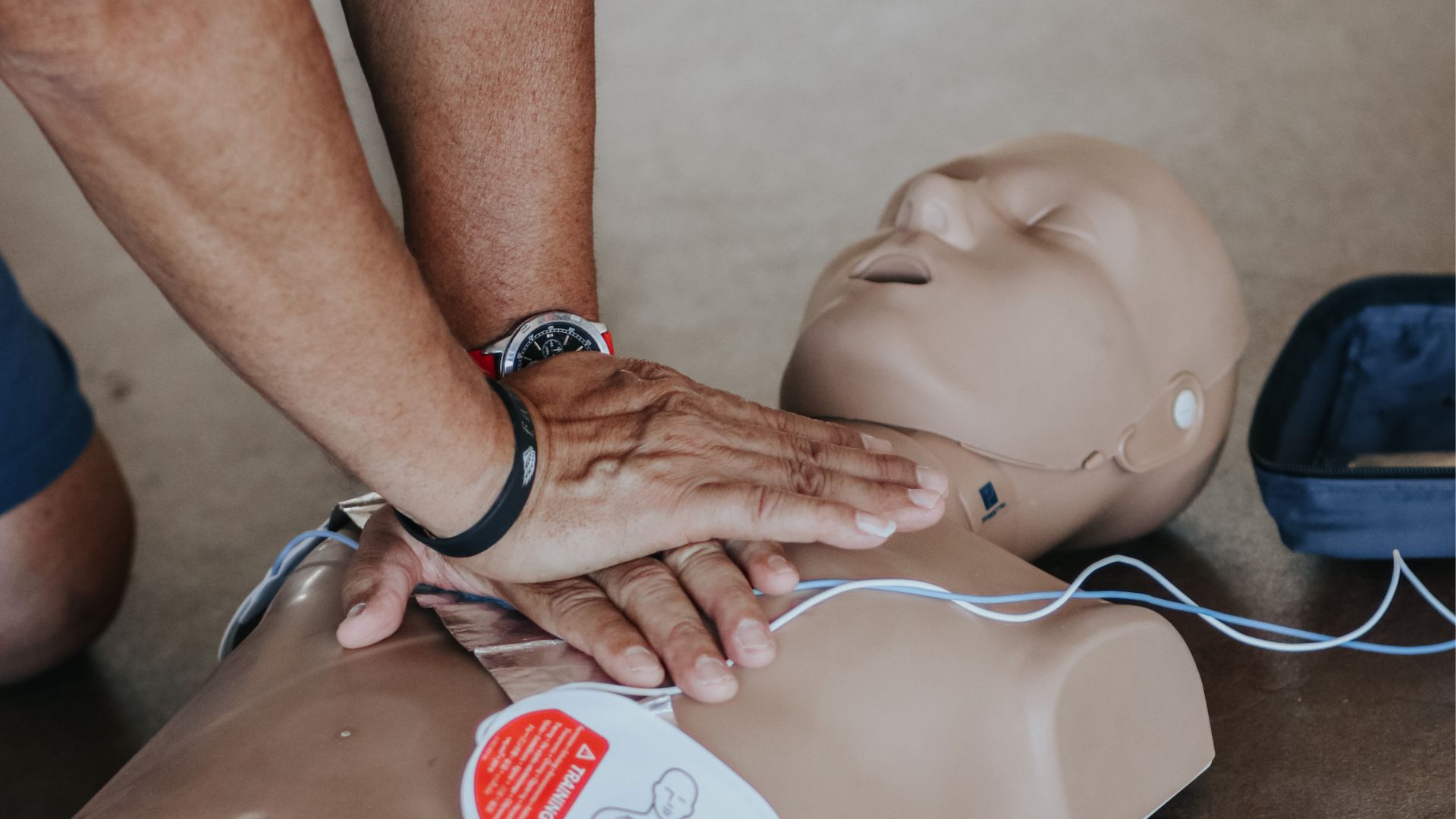
In Sarasota, where residents and visitors live active lives both indoors and outdoors, emergencies can happen without notice. Whether at work, in schools, at parks, or at the beach, unexpected health events remind us why life-saving preparedness is so important. CPR certification provides individuals with the skills needed to respond during cardiac or breathing emergencies, but maintaining those skills through CPR recertification is equally vital. Recertification refreshes knowledge, updates best practices, and ensures anyone trained in CPR remains ready to act effectively when crises occur.
CPR certification equips people with the foundational techniques of emergency response. CPR recertification builds on that foundation by reinforcing proper technique, introducing updated guidelines, and strengthening overall confidence. For residents and professionals in Sarasota, CPR recertification enhances community preparedness, supports workplace safety, and promotes better emergency outcomes. Understanding why recertification matters helps individuals appreciate the difference between being trained and being prepared.
This guide explores the importance of CPR recertification in Sarasota, how it enhances life-saving skills, what updated training includes, and why regular recertification should be part of ongoing safety efforts.
The Difference Between Certification and Recertification
CPR certification provides the initial training needed to respond to emergency situations. It introduces participants to essential concepts such as recognizing cardiac arrest, beginning effective chest compressions, providing rescue breaths when appropriate, and using an automated external defibrillator.
Recertification, on the other hand, refreshes those skills and updates participants on changes in guidelines or best practices. CPR protocols evolve based on research and medical evidence. Regular retraining ensures that certified individuals are using the most current techniques proven to save lives.
For many professionals and everyday responders, recertification is not merely a requirement. It is a commitment to maintaining readiness and a deeper understanding of how to act when emergencies occur.
Why CPR Skills Fade Over Time
Skill fade is a well documented phenomenon in emergency response training. Even after initial CPR certification, people can gradually lose confidence and forget critical steps if they are not regularly practicing or receiving updated instruction.
The physical components of CPR, such as hand placement, compression rate, and depth, require muscle memory. Without regular reinforcement, these details can become less precise. Individuals may also forget nuances related to recognizing cardiac arrest, clearing airways, or using an AED.
CPR recertification combats skill fade by giving participants hands-on practice, repetition, and constructive feedback. This reinforcement ensures that when a real emergency occurs, individuals are prepared both mentally and physically to respond.
Updated Guidelines and Best Practices
Medical professionals and organizations such as the American Heart Association and other leading authorities continually review CPR research to improve outcomes. Guidelines can change based on new evidence related to compression techniques, airflow support, and resuscitation protocols.
CPR recertification incorporates these updates into training sessions. Participants learn the most current recommendations, ensuring their care aligns with modern standards of practice.
This ongoing education improves the quality of CPR delivered by certified responders. Recertification encourages people to stay informed and practice techniques backed by the latest research.
Reinforcing Confidence and Readiness
Confidence is a key component of effective emergency response. In a crisis, individuals may feel fear, hesitation, or uncertainty. CPR recertification builds confidence by providing repeated hands-on experience and encouraging practice in realistic scenarios.
During recertification courses, participants engage in simulated emergencies, decision making drills, and practice cycles that strengthen muscle memory. This experience helps reduce fear and increase readiness for real life situations.
For Sarasota residents and professionals, confidence gained through CPR recertification can be the difference between hesitation and decisive action when every second matters.
The Role of AED Training in Recertification
Automated external defibrillators are critical devices designed to restore normal heart rhythm during certain cardiac emergencies. AEDs are increasingly available in schools, workplaces, fitness centers, and public spaces throughout Sarasota.
CPR recertification includes updated instruction on AED use, reinforcing when and how to safely integrate defibrillation into emergency response. Participants learn how to interpret AED prompts, place pads correctly, and coordinate defibrillation with CPR efforts.
AED training in recertification helps ensure that certified responders not only perform quality CPR but also make effective use of defibrillation when needed, strengthening the overall emergency response.
CPR Recertification for Workplace Preparedness
Many employers in Sarasota and beyond recognize the importance of CPR recertification in maintaining a safe work environment. Workplaces often require employees to renew their CPR certification as part of ongoing safety protocols.
Regular recertification supports workplace preparedness by ensuring that employees remain capable of responding to emergencies involving coworkers or visitors. It also demonstrates that employers prioritize safety and compliance with recommended practices.
A workforce that maintains current CPR certification contributes to a safer work culture and improves overall emergency readiness.
CPR Recertification in Healthcare and Public Safety Roles
In healthcare, education, childcare, hospitality, and public safety roles, CPR recertification is often required due to the frequency of contact with vulnerable populations.
Healthcare professionals and first responders regularly renew their CPR certification to stay aligned with the latest clinical standards. Educators and childcare providers maintain certification to protect students and children. Public safety employees and lifeguards recertify to ensure they remain capable of responding across a range of emergency scenarios.
In Sarasota, where community spaces are active year round, maintaining current CPR certification is a critical part of professional responsibility.
CPR Recertification for Parents and Caregivers
Cardiac emergencies do not only occur in workplaces and schools. They can happen at home or in family settings. Parents, grandparents, and caregivers benefit greatly from CPR recertification because it strengthens their ability to help children, adults, and seniors when health crises unfold unexpectedly.
Recertification helps family caregivers stay current with techniques and prepares them to support loved ones in urgent situations at home or in community settings.
This personal readiness enhances family safety and reinforces confidence outside of professional environments.
Community Preparedness and Public Safety
Communities with high rates of certified and recertified responders experience stronger emergency outcomes. Sarasota neighborhoods, community centers, and civic organizations benefit when residents and volunteers stay current with CPR training.
Public safety initiatives often encourage CPR recertification across populations to create a broader network of prepared responders. This community approach increases the likelihood that someone with current training will be nearby when emergencies occur.
CPR recertification contributes to collective readiness and strengthens community resilience.
What to Expect During CPR Recertification Training
CPR recertification courses are designed to be practical and efficient for busy individuals. Recertification sessions typically include a review of core CPR skills, updated instruction on guidelines, hands-on practice, and scenario based exercises.
Participants revisit key steps such as recognizing cardiac arrest, ensuring scene safety, performing high quality chest compressions, providing rescue breaths when appropriate, and using an AED. Instructors observe and offer feedback to reinforce proper technique.
Many recertification courses also include discussions of real world case studies and reflections on how to improve individual response. This deeper engagement enhances understanding and prepares participants for a range of possible emergencies.
Upon completion of recertification training, individuals receive updated CPR certification valid for a set period, most commonly two years.
Overcoming Common Barriers to Recertification
Although CPR recertification offers significant benefits, some people delay renewal due to misconceptions, busy schedules, or fear of retraining.
A common misconception is that once CPR is learned, it is retained indefinitely. In reality, skills and confidence fade without practice. Recertification helps counter this fade and strengthens readiness.
Busy schedules can also make recertification seem inconvenient. However, many training providers in Sarasota offer flexible scheduling, evening sessions, and blended learning options that combine online and hands-on training.
Fear of skills assessment can also discourage people from renewing. Recertification courses are designed to be supportive and instructional, not punitive. Instructors focus on reinforcing technique rather than judging performance.
Understanding these barriers and planning around them encourages more people to participate in recertification training.
Timing and Requirements for CPR Recertification
CPR certification typically expires after a set period, often two years. Recertification before expiration ensures that individuals maintain continuous preparedness.
Many employers and organizations include recertification timelines in their safety protocols. Staying aware of certification expiry dates and planning training ahead of time eliminates lapses in readiness.
Organizations that promote ongoing recertification create environments where safety remains a priority and lapses in preparedness are minimized.
Encouraging Recertification in Sarasota
Local healthcare agencies, community centers, schools, and employers in Sarasota play important roles in promoting CPR recertification.
Community awareness campaigns, workplace safety initiatives, and school based training programs all contribute to higher recertification rates. When community leaders emphasize the importance of staying current, more residents participate in refresher training.
Public events, health fairs, and educational outreach also help connect people with recertification opportunities and reinforce why CPR remains a critical life-saving skill.
Long Term Benefits of CPR Recertification
The long term benefits of CPR recertification extend beyond emergency response.
Individuals who recertify regularly reinforce muscle memory, maintain confidence, and stay current with best practices. This readiness supports better decision making during high stress situations.
Communities with a strong recertification culture see improved emergency outcomes, faster response times, and greater confidence among residents when medical emergencies occur.
In workplaces, recertification helps reduce liability concerns and strengthens safety programs. For families, it brings peace of mind. Across Sarasota, the benefits ripple outward to create a more resilient environment for everyone.
Final Thoughts on CPR Recertification in Sarasota
CPR recertification is a critical component of life-saving preparedness. While initial CPR certification provides essential skills, recertification ensures those skills remain sharp, current, and effective when emergencies occur.
In Sarasota, where active lifestyles and diverse environments bring people together daily, CPR recertification enhances community safety, supports workplace readiness, and builds individual confidence.
By renewing CPR certification regularly, individuals demonstrate a commitment to preparedness, responsibility, and the ability to protect lives when every second counts.
Frequently Asked Questions
Why is CPR recertification necessary?
CPR recertification refreshes skills, updates knowledge with current guidelines, and strengthens confidence for real life emergencies.
How often should CPR certification be renewed?
CPR certification is typically valid for two years. Regular recertification ensures skills remain current and effective.
Does recertification include AED training?
Yes. Most CPR recertification courses include updated instruction on using automated external defibrillators.
Can recertification increase confidence in emergencies?
Absolutely. Regular practice and updated guidance help reduce hesitation and improve response quality.
Where can I complete CPR recertification in Sarasota?
CPR recertification is available through approved training providers that offer flexible scheduling and hands-on instruction.