Becoming a grandparent is one of life’s greatest joys. Whether you are babysitting for an afternoon, helping with school pickups, or spending weekends with your grandchildren, you play an important role in their lives. Along with creating lasting memories comes the responsibility of helping keep them safe, especially during unexpected emergencies.
Many grandparents today are more involved than ever in daily childcare. They often help with feedings, naps, playtime, and transportation, placing them in situations where they may be the first adult available when a child needs immediate assistance. Choking incidents, drowning accidents, allergic reactions, and breathing emergencies can happen without warning, making infant and child CPR training one of the most valuable skills a grandparent can have.
Through CPR Certification, Sarasota grandparents can learn the hands-on techniques needed to respond confidently during emergencies while waiting for professional medical help to arrive. The American Heart Association emphasizes that infants and children who stop breathing often require CPR with both compressions and rescue breaths because many pediatric cardiac arrests begin with breathing problems.
Preparing for the unexpected allows grandparents to spend more time enjoying their families with greater confidence and peace of mind.
Grandparents Play a Bigger Role Than Ever
Many modern families rely on grandparents for regular childcare assistance.
Common caregiving responsibilities include:
- Babysitting after school
- Caring for grandchildren during work hours
- Helping with newborns
- Overnight visits
- Family vacations
- School and sports transportation
With more time spent caring for young children, grandparents are increasingly likely to be present if an emergency occurs.
Learning CPR and First Aid helps ensure they are prepared to respond quickly when every second matters.
Infant and Child CPR Is Different From Adult CPR
One of the biggest reasons grandparents should take a current CPR class is that pediatric CPR techniques differ significantly from the methods many people learned years ago.
Infant and child CPR involve different:
- Hand placement
- Compression depth
- Compression force
- Rescue breathing techniques
- Choking response procedures
The American Heart Association recommends specialized CPR and choking relief techniques specifically designed for infants and children.
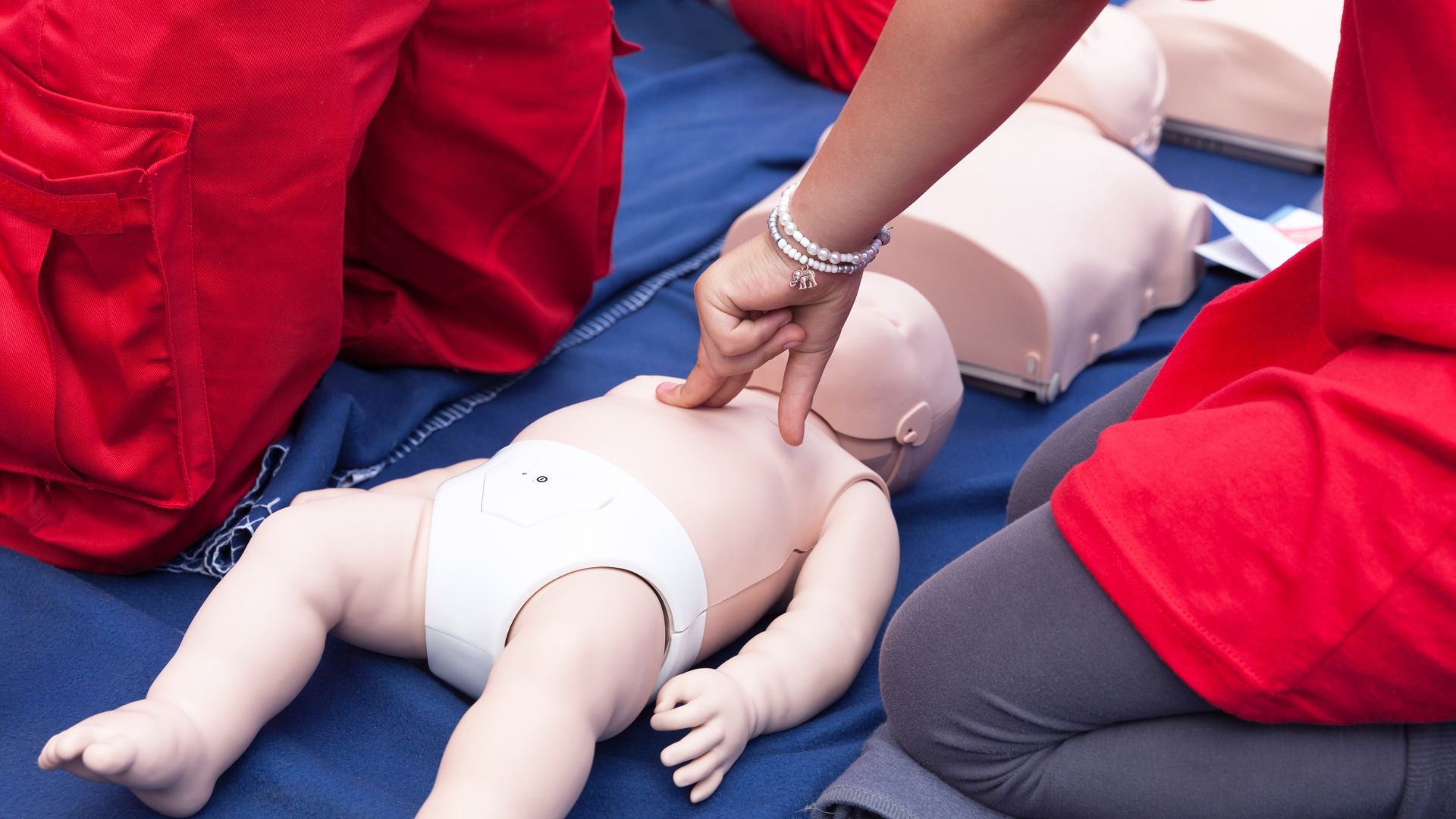
Hands-on instruction through CPR Certification helps grandparents practice these techniques in a supervised setting.
Choking Is One of the Most Common Childhood Emergencies
Young children naturally explore the world by putting objects into their mouths.
Common choking hazards include:
- Grapes
- Hot dogs
- Hard candy
- Coins
- Buttons
- Small toys
- Batteries
- Popcorn
Infants and toddlers have much smaller airways than adults, meaning even small objects can create dangerous blockages.
Current pediatric guidelines recommend using back blows and chest thrusts for choking infants rather than abdominal thrusts.
Knowing the proper response can help prevent a choking emergency from becoming a tragedy.
Sarasota’s Water Lifestyle Makes CPR Even More Important
Sarasota families enjoy year-round access to beaches, backyard pools, boats, and waterfront activities.
While these activities create wonderful memories, they also increase the importance of water safety.
Potential drowning hazards include:
- Swimming pools
- Hot tubs
- Beaches
- Bathtubs
- Kiddie pools
- Boats
Drowning incidents involving children are often silent and can happen in just a few moments.
CPR training prepares grandparents to respond immediately if a child is pulled from the water and is not breathing normally.
Every Minute Counts During Breathing Emergencies
Many pediatric cardiac arrests begin because a child cannot breathe properly.
Breathing emergencies may result from:
- Choking
- Drowning
- Severe allergic reactions
- Asthma attacks
- Respiratory illness
- Suffocation
Without oxygen, serious complications can develop rapidly.
The American Heart Association notes that pediatric CPR includes both chest compressions and rescue breaths because breathing problems are often the underlying cause of cardiac arrest in infants and children.
Grandparents Can Help During Allergic Reactions
Food allergies have become increasingly common among children.
Common triggers include:
- Peanuts
- Tree nuts
- Milk
- Eggs
- Shellfish
- Certain medications
A severe allergic reaction may cause:
- Swelling of the face or throat
- Difficulty breathing
- Wheezing
- Loss of consciousness
CPR and pediatric First Aid training help grandparents recognize when an allergic reaction has become a medical emergency and understand the importance of activating emergency services immediately.
Safe Feeding Practices Matter
Many infant and child emergencies occur during meals.
Grandparents can reduce choking risks by:
- Cutting food into small pieces
- Avoiding known choking hazards
- Supervising meals closely
- Encouraging children to sit while eating
- Keeping distractions to a minimum
Even with careful supervision, accidents can still happen.
Knowing infant and child choking response procedures provides an additional layer of protection.
Hands-On Training Builds Confidence
One of the biggest obstacles during emergencies is uncertainty.
Many grandparents worry they might:
- Forget the correct steps
- Hurt the child
- Freeze under pressure
- Make the situation worse
Hands-on practice helps reduce these fears.
Training through CPR Certification allows participants to physically practice:
- Infant CPR
- Child CPR
- Choking relief
- Rescue breathing
- Emergency assessments
This practical experience helps build muscle memory that can be invaluable during real emergencies.
CPR Skills Help Protect the Entire Family
Although many grandparents take CPR classes for their grandchildren, the skills often prove useful in many other situations.
CPR knowledge may help during emergencies involving:
- Adult family members
- Friends
- Neighbors
- Community events
- Sporting activities
Because many cardiac arrests happen at home, learning CPR benefits the entire family.
The American Heart Association notes that a large percentage of cardiac arrests occur in the home, making family preparedness especially important.
Childcare Recommendations Continue to Evolve
Many grandparents raised children decades ago, and some safety recommendations have changed significantly over time.
Modern training reviews current best practices involving:
- Infant CPR
- Child CPR
- Choking response
- Safe sleep awareness
- Water safety
- Injury prevention
Refreshing these skills helps grandparents provide care that aligns with today’s recommendations.
Grandparents Often Become First Responders
When parents are at work or unavailable, grandparents frequently become the first adults responsible for a child’s safety.
Medical emergencies can happen during:
- Playtime
- Naptime
- Family gatherings
- Beach outings
- Birthday parties
- Car rides
Emergency responders provide excellent care, but they need time to arrive.
Grandparents who know CPR can begin life-saving interventions during those critical first minutes.
CPR Training Strengthens Family Confidence
Many parents feel more comfortable leaving their children with grandparents who have completed CPR training.
Knowing that a trusted caregiver understands:
- Infant CPR
- Child CPR
- Choking response
- Emergency procedures
provides reassurance for the entire family.
Training also helps grandparents feel more confident taking grandchildren on outings and participating in everyday activities.
Pediatric First Aid Complements CPR Training
Many infant and child CPR courses also include important First Aid topics.
These may include:
- Bleeding control
- Burns
- Allergic reactions
- Seizures
- Head injuries
- Drowning prevention
The American Heart Association’s Heartsaver Pediatric First Aid CPR AED course was specifically designed for parents, grandparents, and others responsible for caring for infants and children.
Learning these additional skills helps grandparents prepare for a wider variety of situations.
Practical Experience Makes a Lasting Difference
Reading about CPR online can be helpful, but practical experience builds greater confidence.
Hands-on instruction allows grandparents to:
- Practice compressions
- Learn proper hand placement
- Perform rescue breaths
- Work through realistic scenarios
- Receive instructor feedback
Many participants report feeling much more prepared after physically practicing the techniques rather than simply reading about them.
Final Thoughts About Infant & Child CPR Training for Sarasota Grandparents
Grandparents play an incredibly important role in many families, often serving as trusted caregivers and constant sources of love and support. While no one wants to imagine facing a pediatric emergency, being prepared can make all the difference when every second matters.
Through CPR Certification, Sarasota grandparents can gain the practical skills and confidence needed to respond to choking incidents, drowning accidents, breathing emergencies, and other life-threatening situations involving young children. Learning infant and child CPR is not simply about earning a certification. It is about helping protect the people you love most and creating a safer future for your entire family.
Frequently Asked Questions About Infant & Child CPR Training for Sarasota Grandparents
Why should grandparents learn infant and child CPR?
Grandparents often provide childcare and may be the first adults present during emergencies involving grandchildren.
Is infant CPR different from adult CPR?
Yes. Infant CPR uses specialized techniques that account for a baby’s smaller body and developing anatomy.
What should I do if my grandchild is choking?
If an infant is choking, current guidelines recommend alternating back blows and chest thrusts while calling for emergency assistance.
Why is CPR especially important in Sarasota?
With pools, beaches, and year-round water activities, families should be prepared for water-related emergencies and drowning incidents.
Do CPR classes also cover First Aid?
Many pediatric CPR courses include First Aid topics such as allergic reactions, burns, bleeding, and injury response.
How long does CPR certification last?
Many American Heart Association pediatric CPR certifications remain valid for two years before renewal is recommended.
Can grandparents take CPR classes even if they do not need certification for work?
Absolutely. Many courses are specifically designed for grandparents, parents, and family caregivers who simply want to be prepared.
Will CPR training help me feel more confident caring for my grandchildren?
Many grandparents report feeling much more comfortable and prepared after completing hands-on infant and child CPR training.